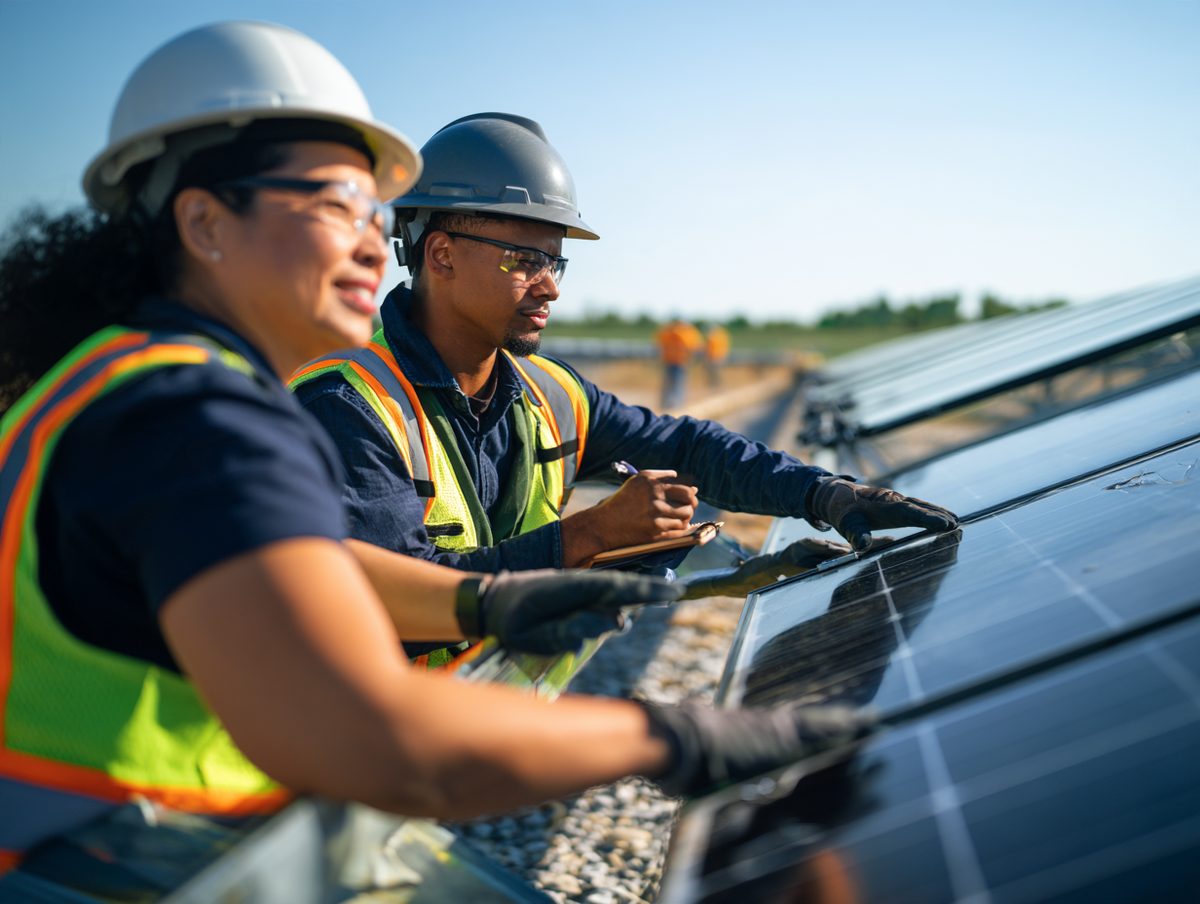
Free solar energy training that shows how solar works, how projects move from opportunity to operation, and how development, engineering, finance, construction, legal and asset management come together to get them built.

Solar Energy Explained
Understand how solar projects come together—from technology and development to finance, construction, and long-term operations.
Solar energy is energy from sunlight converted into electricity. Turning it into an operating project takes professionals across business, engineering, finance, law, construction, operations and energy markets. The Energy Academy shows you how that work fits together, so you can see where you can contribute.
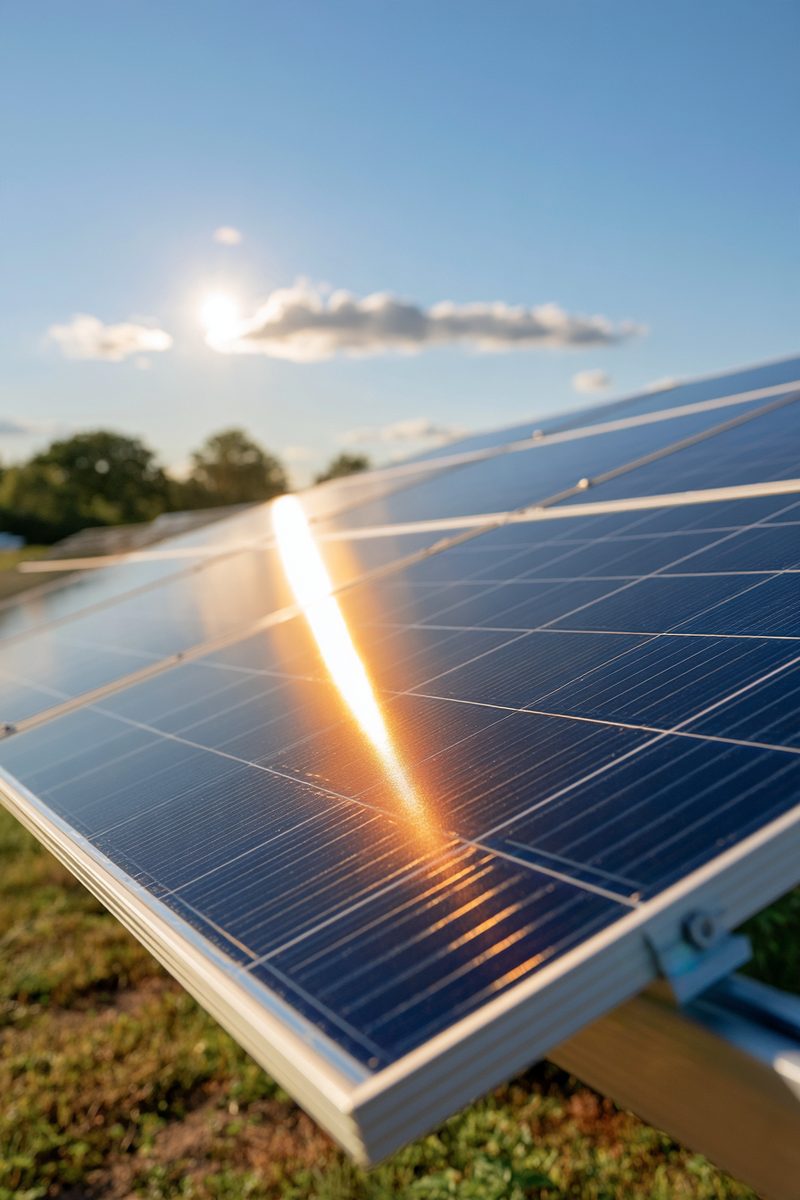
Understand the fundamentals of solar PV, from sunlight and modules to inverters, electricity, and the grid.
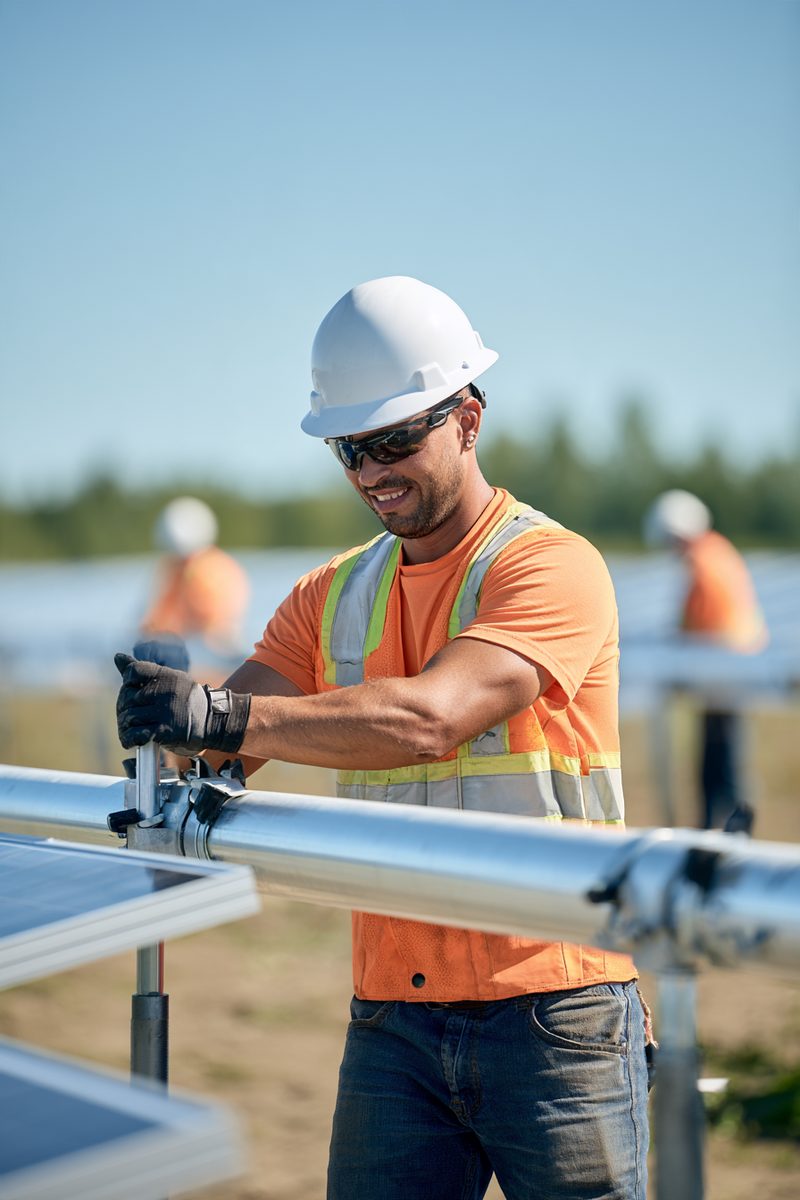
Follow a project from origination and site selection through development, financing, construction, and operations.

Meet the developers, engineers, attorneys, financiers, contractors, utilities, asset managers, and other professionals involved.
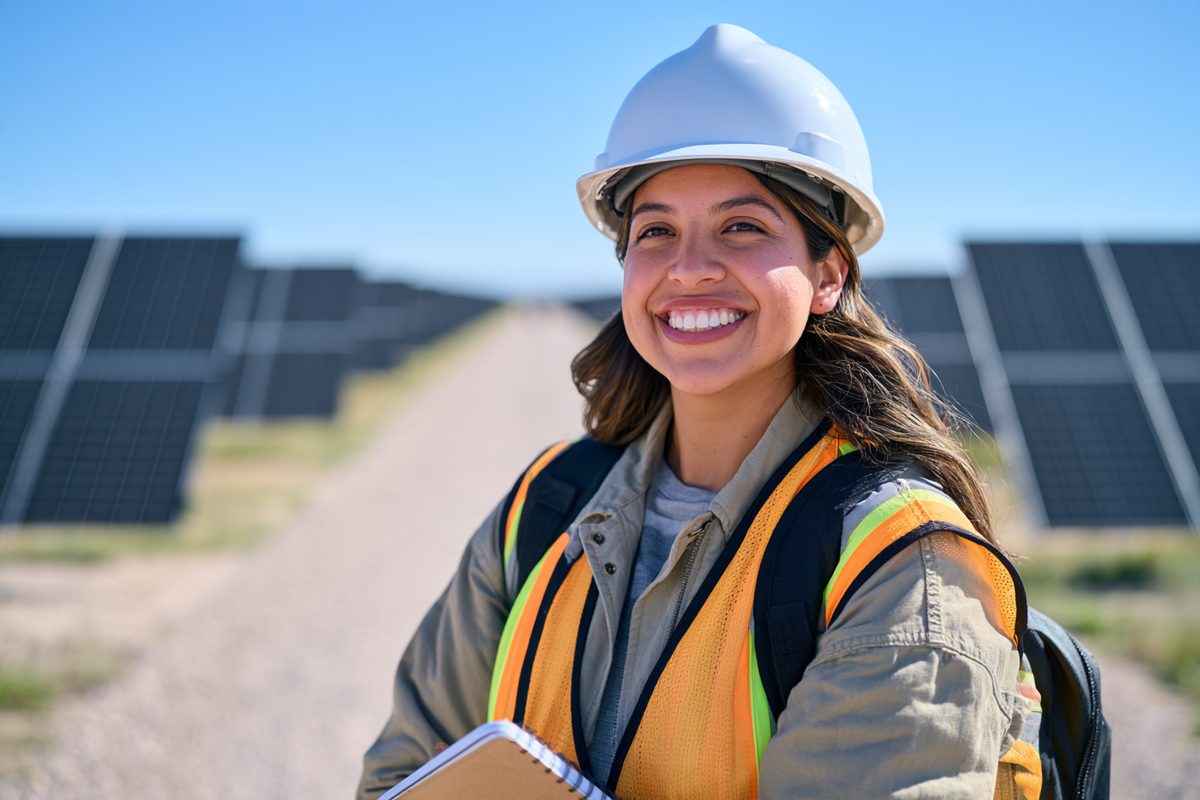
Explore the disciplines and careers behind solar projects, or test yourself in the What Would You Do? construction challenge.
FreeHigh-quality learning for everyone.
Self-pacedLearn on your schedule, anytime, anywhere.
PracticalReal-world insights and examples.
Built by industry professionalsTrusted knowledge from people in the field.
Find Where You Fit
Solar projects require far more than installers. Professionals across business, engineering, finance, law, construction, operations, and energy markets all play a role in turning an opportunity into an operating energy asset.
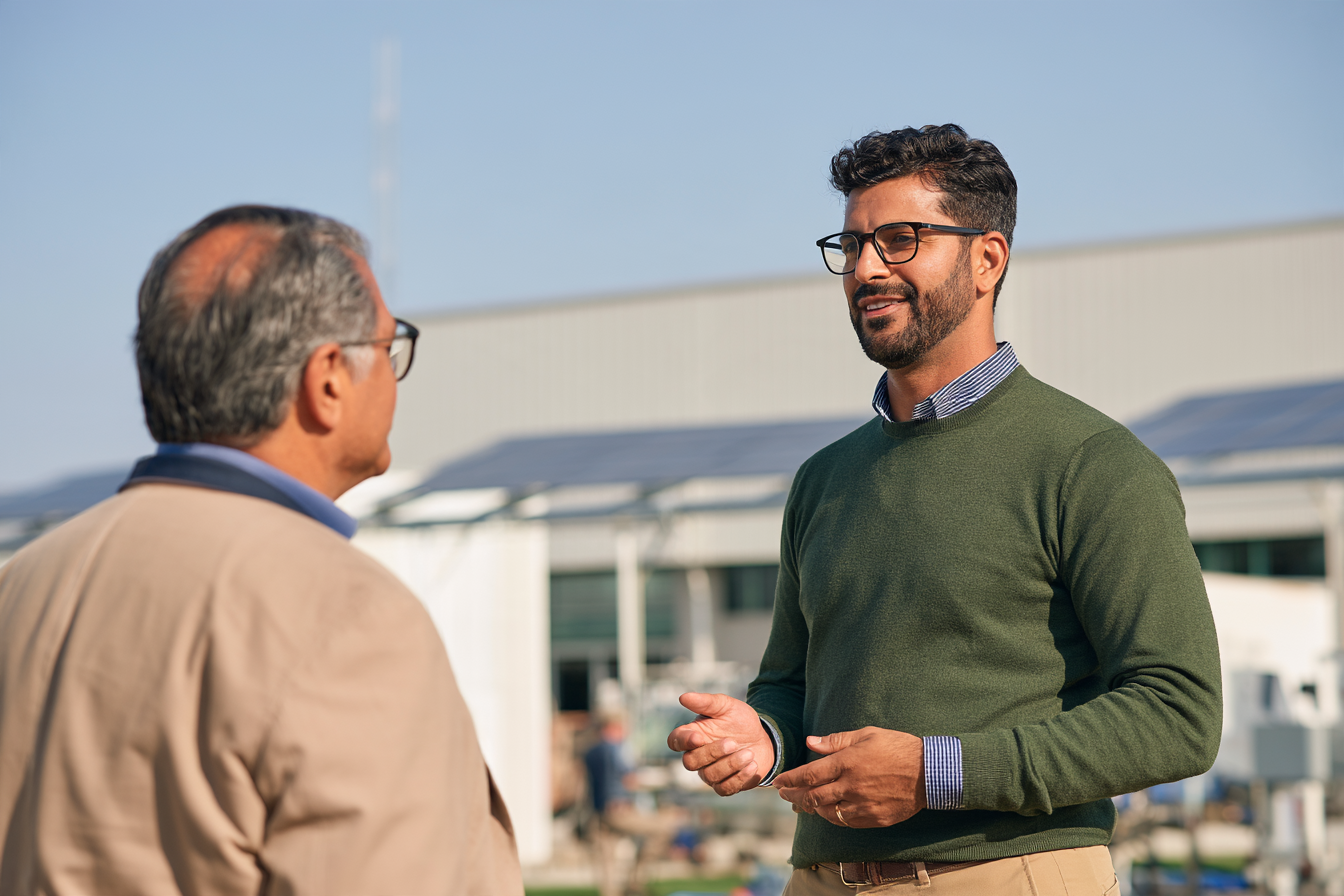
Commercial
Find project opportunities, customers, sites, and commercial partnerships.

Development
Advance projects through site control, permitting, interconnection, stakeholder coordination, and approvals.

Technical
Design safe, efficient, constructible solar systems and model their expected performance.

Financial
Evaluate project economics, structure financing, and determine whether projects make financial sense.

Legal
Negotiate contracts, manage risk, and establish the rights required to build and operate projects.
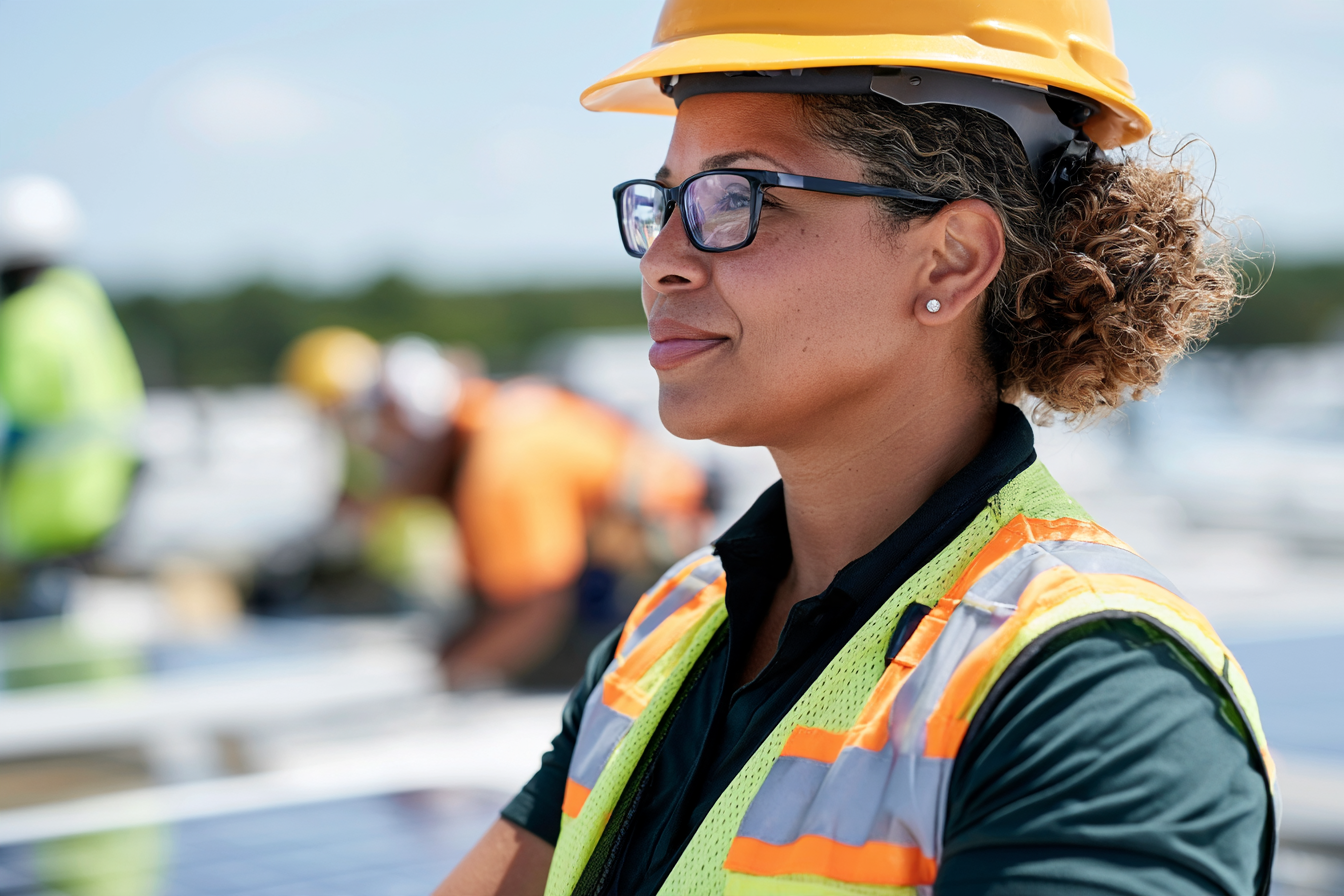
Delivery
Turn designs into operating assets through procurement, scheduling, field execution, commissioning, and quality control.
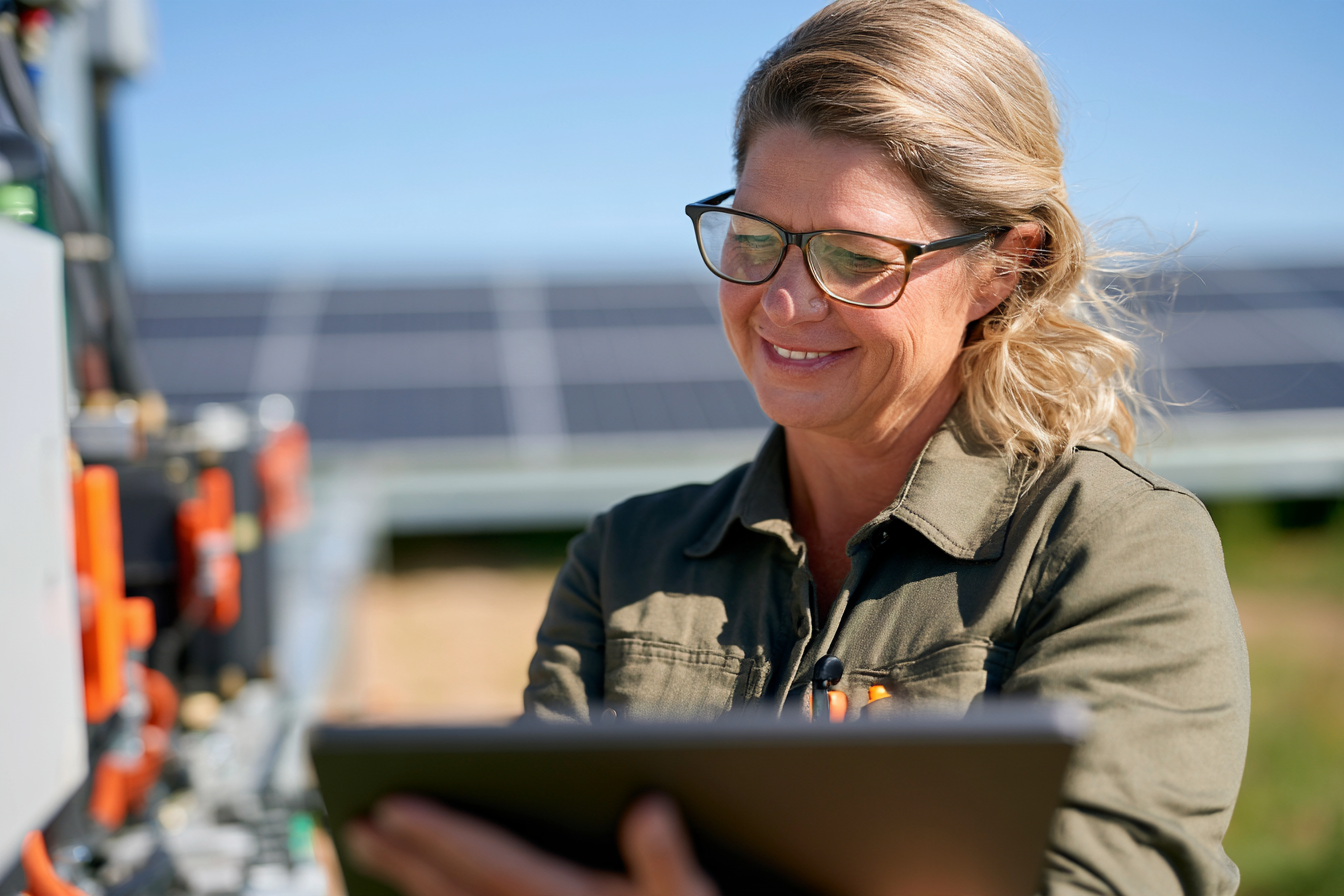
Operations
Monitor operating projects, manage contracts and warranties, and protect long-term project performance.

Markets
Understand tariffs, wholesale markets, incentives, and the rules that determine how solar electricity is valued.
You don’t need an engineering degree or previous solar experience. Solar Energy 101 is designed to give anyone a practical foundation in how the industry works.
Build your solar foundation from the ground up.
Translate experience from another industry into the solar sector.
Learn the language, roles, and fundamentals employers expect you to understand.
See how your role connects to the rest of the project lifecycle.
Bring experience in finance, law, construction, real estate, engineering, or other fields into solar.
Give new hires a shared understanding of how solar projects work.
From Sunlight to the Grid
From a rooftop array to a utility-scale plant, every solar system follows the same basic path. Explore the six stages that turn sunlight into usable electricity.
 01
01Solar modules collect sunlight. The energy available depends on the solar resource at the site, the array’s tilt and orientation, and shading.
 02
02Solar cells produce direct-current (DC) electricity when sunlight interacts with the semiconductor material inside them.
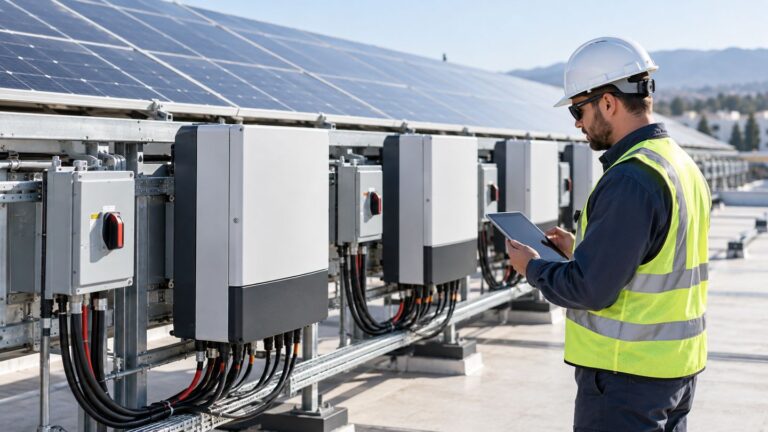 03
03Inverters convert DC electricity into the alternating-current (AC) electricity used by buildings and the electric grid.
 04
04On larger systems, transformers and switchgear raise the voltage and protect equipment before power leaves the site.
 05
05Electricity serves a building behind the customer’s meter or is exported to the grid through an interconnection point.
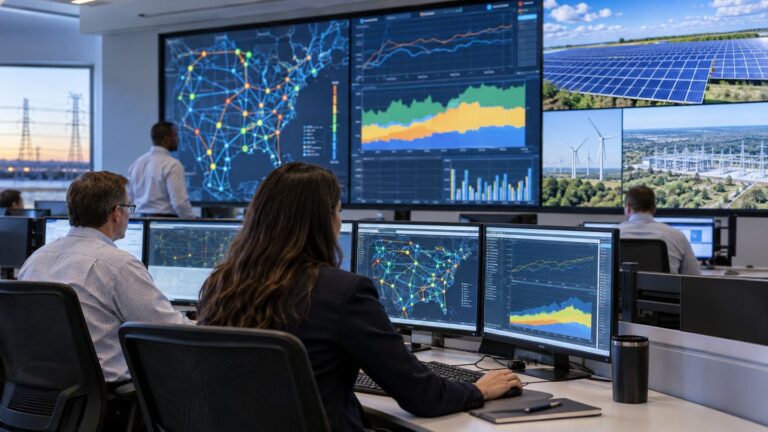 06
06Monitoring systems track production, availability and losses so owners can catch underperformance and optimize output.
Key Insight
The technology is the common thread — every solar discipline exists to get this system built, connected and performing.
Start Learning
Start with the fundamentals, then go deeper into the discipline that fits you, at your own pace.
Free. Self-paced. Built around real industry work.