Explore the people, processes, and decisions that bring solar and energy storage projects to life. From site qualification and site control to permitting, interconnection, financing, and construction, build a practical understanding of the full development lifecycle.
Project development is the process of identifying, evaluating, permitting, financing, and advancing renewable energy projects from concept through construction. Developers coordinate stakeholders, manage risk, secure project rights, and oversee the activities necessary to bring projects from idea to operation
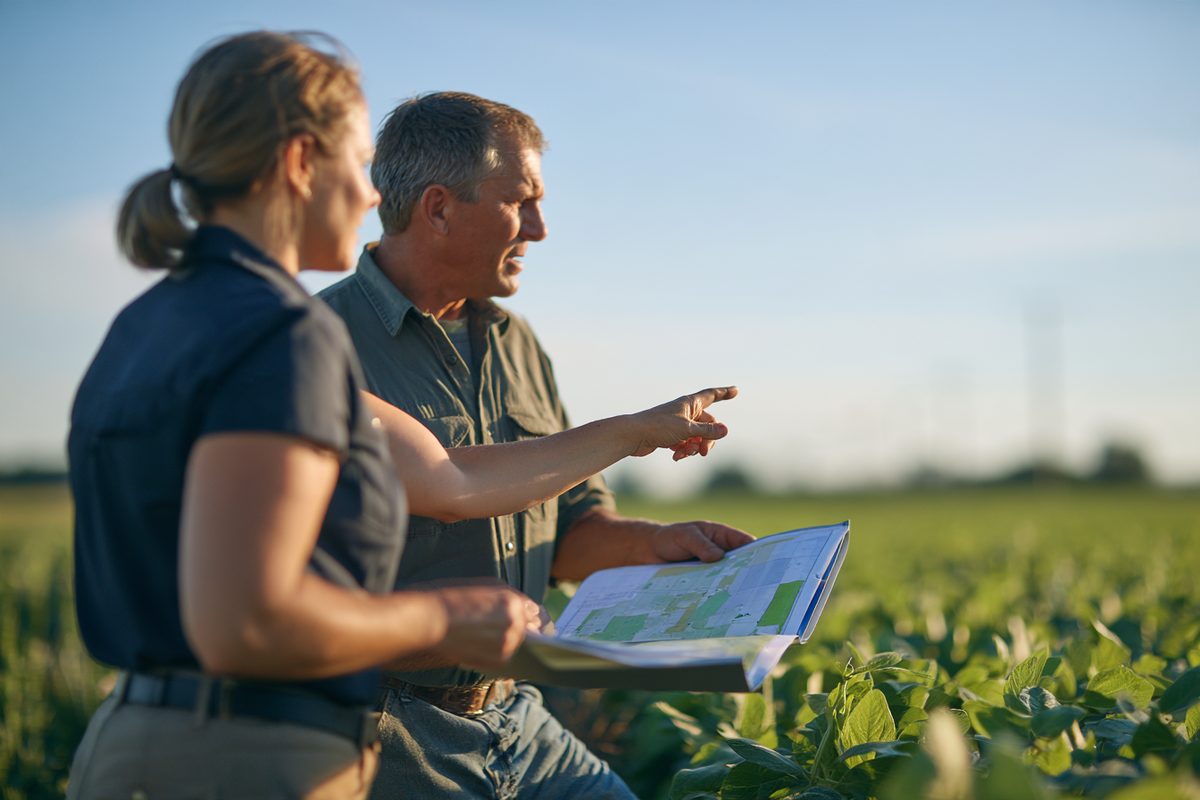
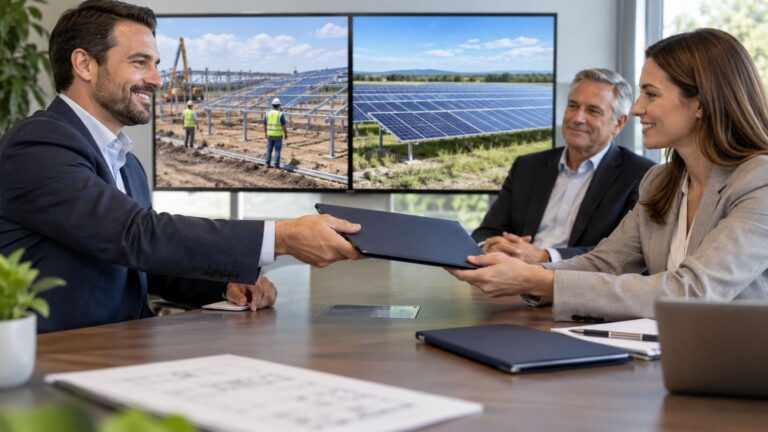
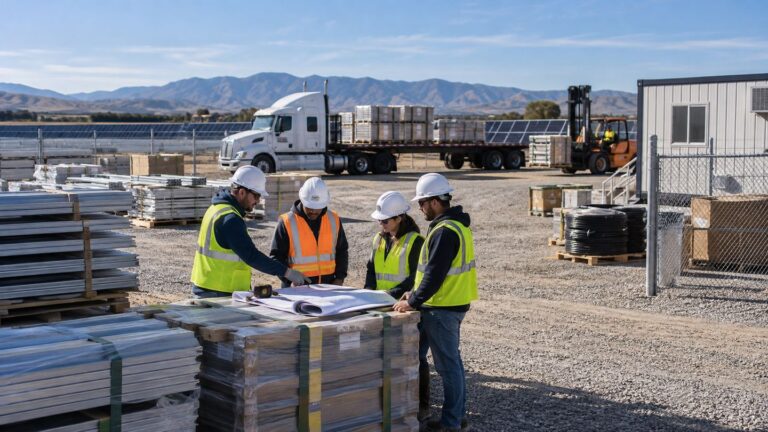
Identify viable project opportunities and secure the land rights needed to advance development.
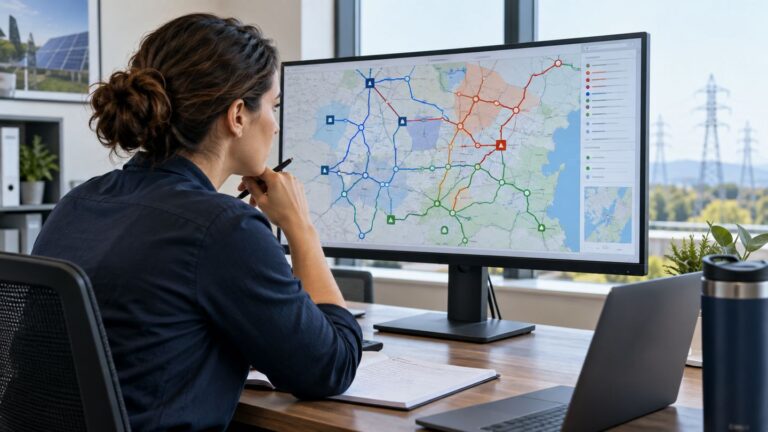
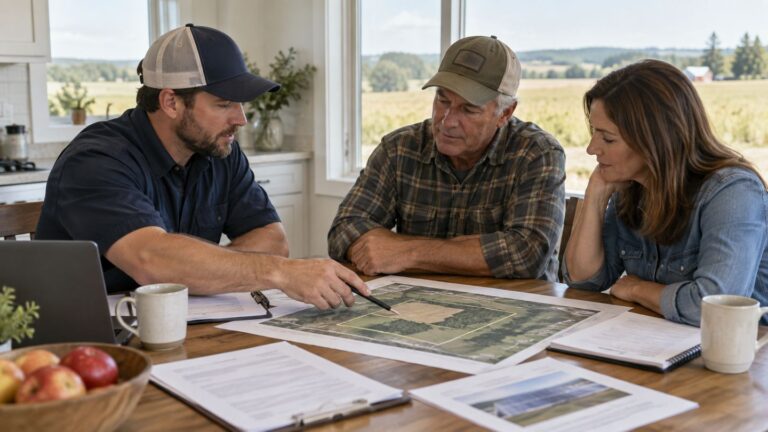
Navigate utility requirements, environmental reviews, and permitting processes to move projects toward approval.

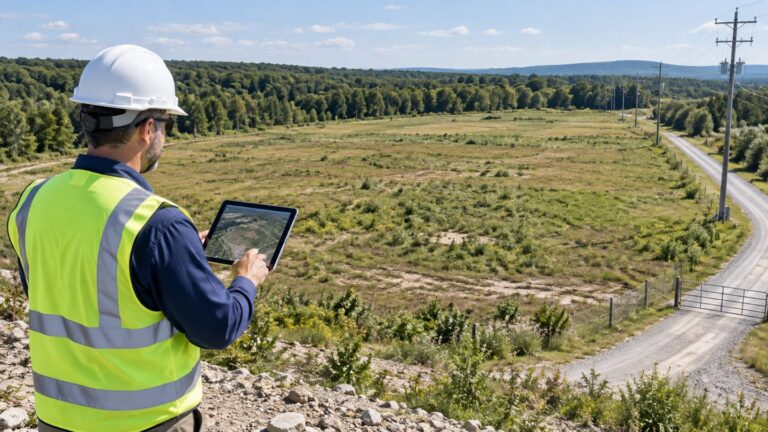
Evaluate project feasibility through energy production, revenue projections, financing structures, and commercial agreements.
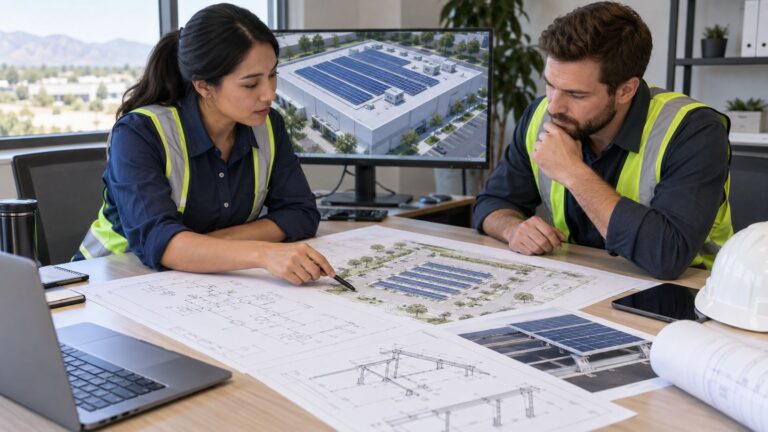
Coordinate engineering, procurement, stakeholder alignment, and project documentation to prepare for successful execution.
Stop guessing what you need to know and let industry veterans help you succeed
Build the foundation. Analyze sites, perform due diligence, support permitting efforts, and help evaluate project opportunities.

Manage projects through site control, permitting, interconnection, stakeholder coordination, and commercial negotiations.

Lead project portfolios, manage consultants, mitigate risk, and guide projects through critical development milestones.

Set strategy, oversee teams, allocate capital, and drive project execution from origination to construction readiness.
Explore the courses, guides, templates, and interactive resources designed to help you understand and navigate the renewable energy development process—from site qualification and permitting to project finance and construction readiness.
A solar project developer is responsible for advancing renewable energy projects from concept to construction. Developers identify viable opportunities, secure site control, coordinate technical and environmental studies, manage permitting and interconnection activities, negotiate commercial agreements, and work with stakeholders throughout the development process. Their role is ultimately to reduce project risk and create value while preparing projects for financing and construction.
Project development timelines vary significantly depending on project size, location, utility requirements, and permitting complexity. Smaller commercial projects may be developed in less than a year, while larger utility-scale projects can take several years to advance from origination to construction. Factors such as interconnection studies, environmental reviews, land rights, and financing often have the greatest impact on development schedules.
Site control refers to the legal rights that allow a developer to evaluate, permit, construct, and operate a renewable energy project on a specific property. Site control is commonly established through leases, easements, purchase agreements, or option agreements. Securing site control is often one of the earliest and most important milestones in project development because it provides the foundation for investing additional time and capital into the project.
Interconnection is the process of connecting a renewable energy project to the electric grid. During the interconnection process, utilities evaluate the project's potential impact on grid reliability and determine whether system upgrades are required. Developers typically navigate multiple utility studies, agreements, and technical reviews before receiving approval to construct and operate the project.
Successful project developers combine technical, commercial, and interpersonal skills. Common areas of expertise include project management, negotiation, financial analysis, stakeholder engagement, problem solving, contract review, and risk management. While no two developers follow the same path, strong communication skills and the ability to coordinate diverse groups of stakeholders are critical to success.
No. Project development attracts professionals from a wide range of backgrounds, including engineering, finance, real estate, construction, environmental sciences, policy, law, and business development. While a basic understanding of renewable energy systems is helpful, many successful developers build their expertise through hands-on experience, mentorship, and continuous learning.
Origination focuses on identifying and qualifying potential project opportunities. Activities often include lead generation, site screening, customer engagement, and preliminary project evaluation. Project development begins once an opportunity has been identified and involves advancing the project through site control, interconnection, permitting, financing, and construction readiness. In some organizations, the same team performs both functions, while larger companies often separate the roles.
Project development serves as the bridge between an idea and an operating renewable energy asset. Without successful development, projects cannot secure permits, obtain financing, connect to the grid, or move into construction. Effective development reduces risk, increases project certainty, and helps ensure renewable energy projects can be successfully built and operated for decades.
Common development challenges include securing site control, obtaining permits, managing interconnection timelines, coordinating stakeholders, navigating regulatory requirements, and maintaining project economics as market conditions change. Developers must constantly balance risk, schedule, budget, and stakeholder expectations while advancing projects toward construction.
Project development offers a wide range of career paths, including Development Analyst, Project Developer, Development Manager, Director of Development, and Vice President of Development. Professionals may specialize in site acquisition, permitting, interconnection, project finance, stakeholder engagement, or portfolio management. As the renewable energy industry continues to grow, experienced project development professionals remain in high demand across solar, storage, wind, and emerging energy technologies.
Maximize Project Performance
Learn how operating projects are monitored, maintained, and optimized. Explore performance guarantees, reporting, contract administration, warranty management, and risk mitigation.
Find and Qualify New Opportunities
Learn how renewable energy projects are sourced, evaluated, and advanced into the development pipeline. Explore lead generation, site qualification and opportunity screening.
Understand Project Economics
Explore the financial structures that make renewable energy projects possible. Learn about project economics, PPAs, tax incentives, financing strategies, and investment analysis.
Navigate Contracts, Risk, and Rights
Understand the agreements and legal frameworks that support project development. Explore site control, leases, easements, PPAs, EPC contracts, and risk allocation.
Turn Ideas Into Technical Solutions
Learn the technical principles behind renewable energy project design. Explore feasibility studies, production modeling, equipment selection, electrical systems, and engineering best practices.
Bring Projects From Plans to Reality
Discover how renewable energy projects are built safely and efficiently. Learn about procurement, scheduling, quality control, commissioning, and project execution.
Understand How Power Is Valued
Explore the markets and regulations that shape renewable energy projects. Learn about utility tariffs, wholesale markets, renewable energy credits, net metering, and grid operations.
From Concept to Construction
Learn how developers coordinate site control, permitting, interconnection, financing, and stakeholder management to transform opportunities into operating renewable energy assets.