Renewable Energy Construction
Free construction training that shows how renewable energy projects are procured, scheduled, built and commissioned safely, on budget and to specification.
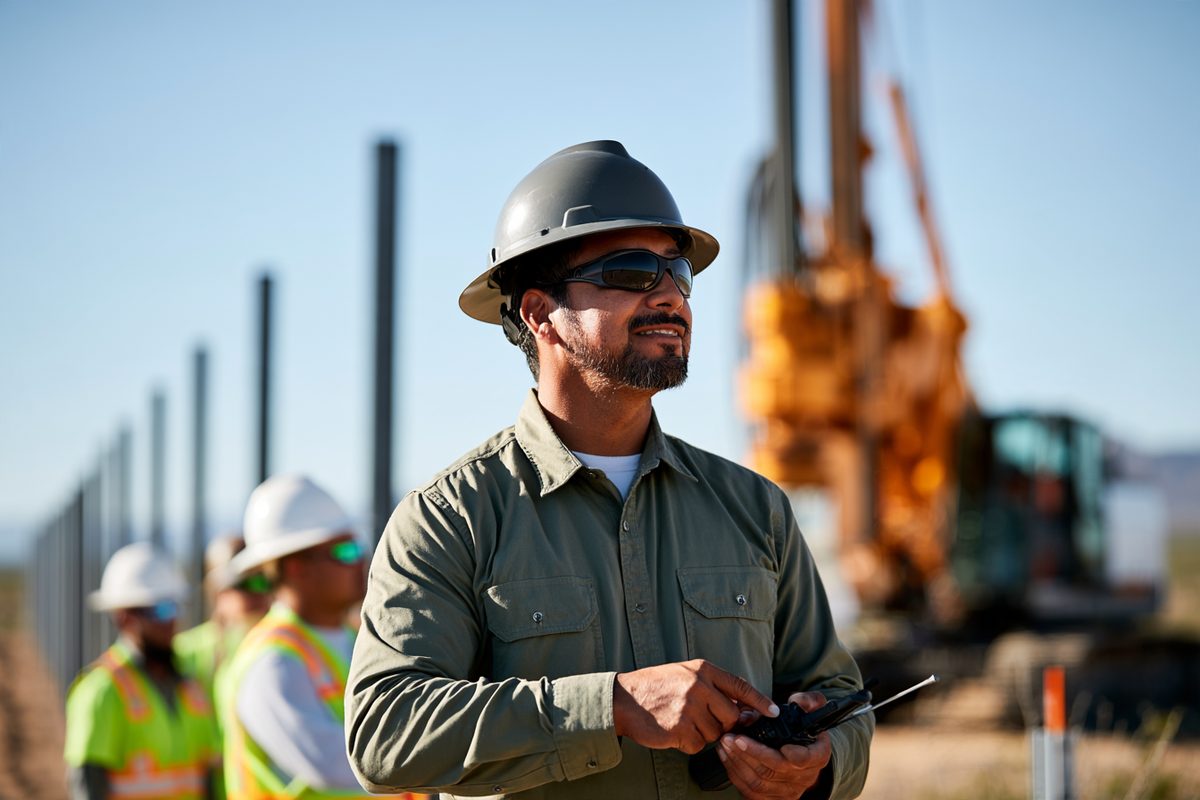
Construction Explained
Construction is the phase that turns a financed, permitted project into a physical, operating asset. Construction professionals manage procurement, scheduling, contractors, quality, and safety, and lead the civil, mechanical, and electrical work that culminates in commissioning and energization.
The Energy Academy shows you how each of these pieces fits together, from the first equipment order to energization, so you can see how a project gets delivered and where you can contribute.
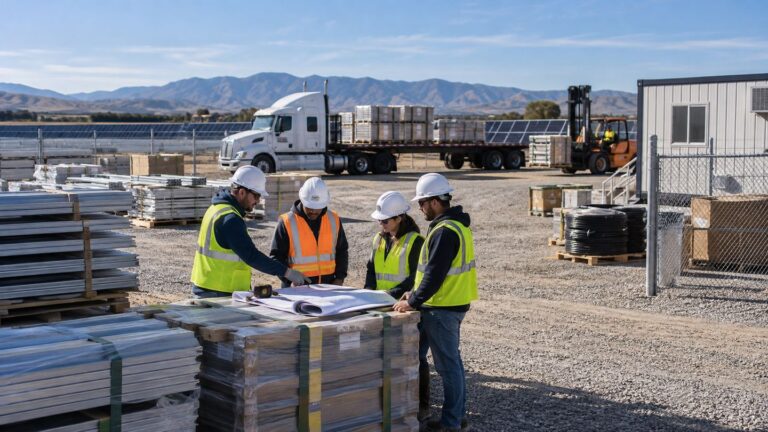
Source and schedule modules, inverters, racking, and balance-of-system equipment.
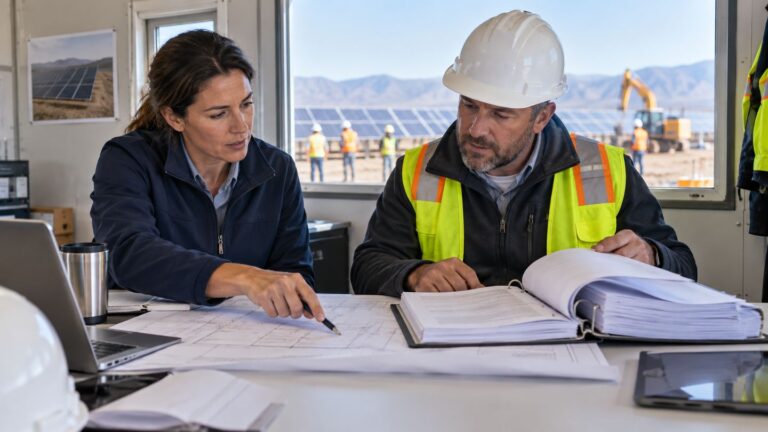
Build and manage construction schedules and budgets to control cost and time.
Coordinate civil, mechanical, and electrical scopes safely and to specification. Take the What Would You Do? challenge.
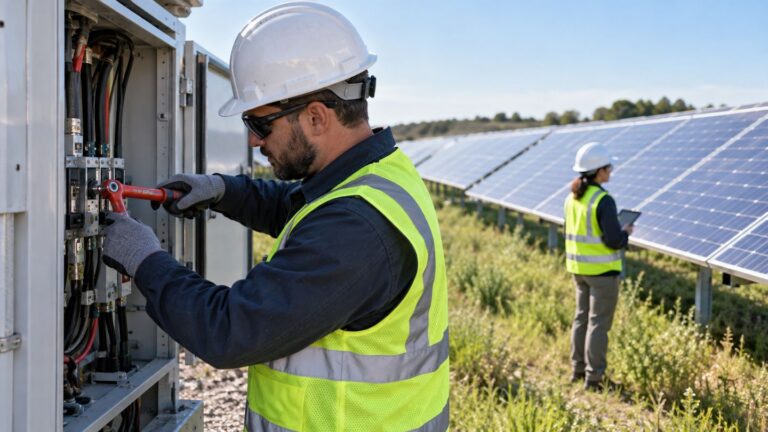
Verify systems through quality control and commissioning before energization.
FreeHigh-quality learning for everyone.
Self-pacedLearn on your schedule, anytime, anywhere.
PracticalReal-world insights and examples.
Built by industry professionalsTrusted knowledge from people in the field.
Find Where You Fit
Construction rewards field experience, strong coordination skills and a safety-first mindset. Backgrounds in construction management, engineering and the trades all transfer.

Entry Level
Support scheduling, quality, and documentation in the field.
Mid Level
Manage contractors, safety, quality, and schedule on site.

Senior Level
Lead multiple projects, manage budgets, and set construction standards.
Executive
Own construction strategy, safety culture, and execution across the portfolio.
From Notice to Proceed to Handover
Construction starts when development and financing hand over a buildable project. Explore the six stages that take it from approved design to an energized, operating asset.
 01
01Finalize issued-for-construction drawings, confirm permits and site surveys, and plan the build ahead of Notice to Proceed.
 02
02Order modules, inverters, racking, transformers and balance-of-system equipment, and schedule deliveries around long lead times.
 03
03Set up the site, bring contractors on board, and complete clearing, grading, access roads and erosion control.
 04
04Execute civil, mechanical and electrical scopes: foundations and piles, racking and modules, wiring, inverters and the collection system.
 05
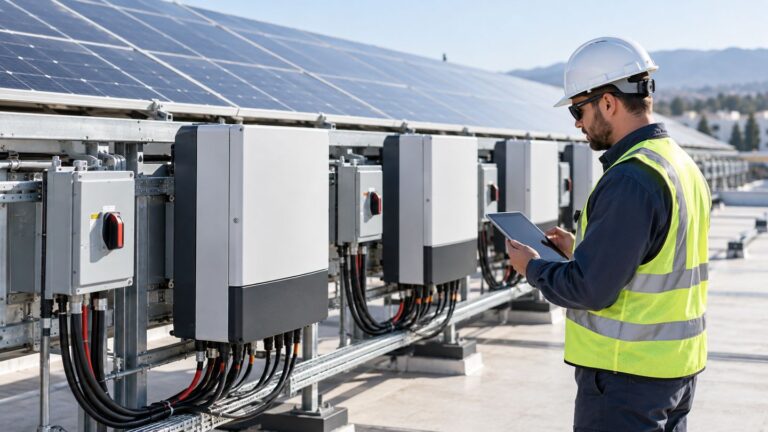
05Test and verify every system, energize equipment, run performance tests and work down the punch list.
 06
06Reach substantial and final completion, deliver as-builts and warranties, and turn the asset over to operations.
Key Insight
Development and finance make a project possible — construction makes it real, safely, on schedule and to specification.
Put It Into Practice
Take over a 2 MWdc rooftop project on October 15 and get it to substantial completion by December 31. Ten decisions, a $100,000 recovery reserve, and every gate from structural approval to owner acceptance.
Start Learning
Start with Solar Construction 101, then go deeper into planning, contracts, scheduling, quality and handoff at your own pace.
Free. Self-paced. Built around real industry work.