Renewable Energy Asset Management
Free asset management training that shows how operating renewable energy projects are monitored, maintained and optimized to protect investor returns across decades of operation.

Asset Management Explained
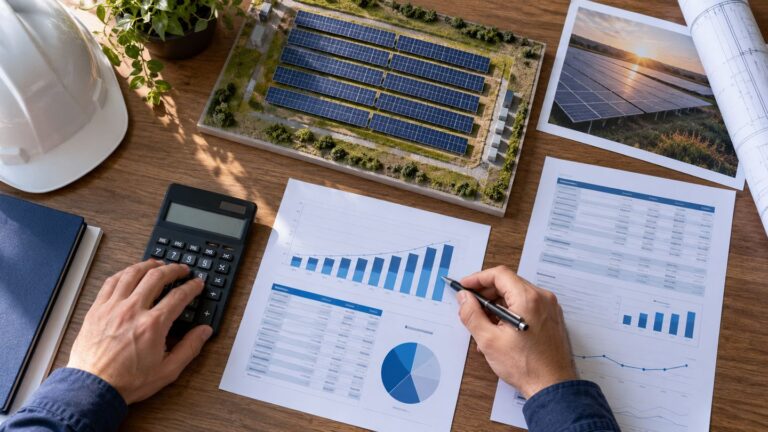
Asset management is the discipline of maximizing the performance and value of operating renewable energy assets. Asset managers monitor production, administer contracts, manage warranties and O&M, oversee reporting and invoicing, and mitigate risks to protect investor returns.
The Energy Academy shows you how each of these responsibilities fits together across an asset’s operating life, so you can see how the work protects long-term value and where you can contribute.

Track production, availability, and performance against guarantees and forecasts.

Administer PPAs, O&M agreements, leases, warranties and interconnection agreements so every obligation is met.
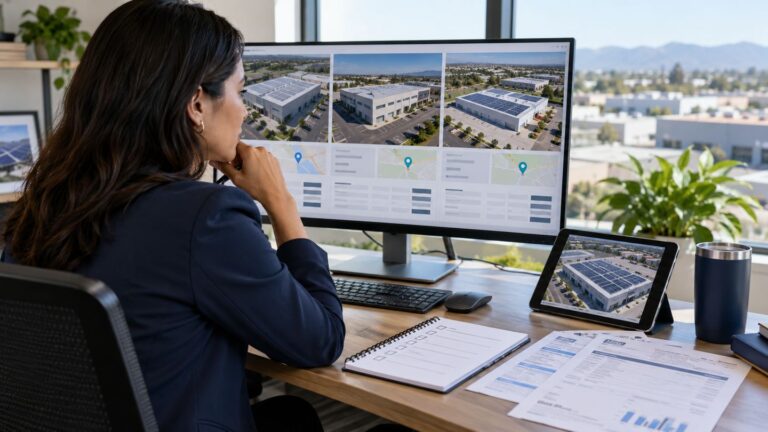
Deliver financial, technical, and regulatory reporting to investors, lenders and offtakers.
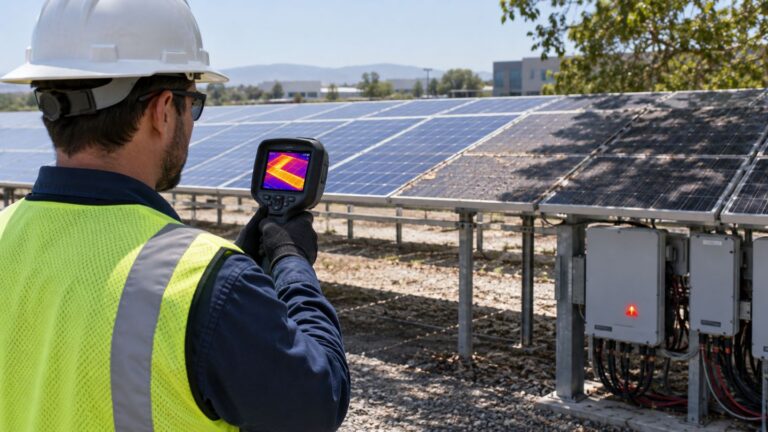
Manage insurance, warranties, and operational risks to protect asset value.
FreeHigh-quality learning for everyone.
Self-pacedLearn on your schedule, anytime, anywhere.
PracticalReal-world insights and examples.
Built by industry professionalsTrusted knowledge from people in the field.
Find Where You Fit
Asset management rewards analytical skills, contract literacy and the ability to coordinate technical and commercial teams. Backgrounds in finance, engineering, operations and business all transfer.

Entry Level
Monitor performance, prepare reports, and track contract obligations.
Mid Level
Own a portfolio’s performance, contracts, reporting, and risk.

Senior Level
Manage large portfolios, optimize performance, and set processes.

Executive
Own asset strategy, returns, and team performance across the portfolio.
From Handover to Repowering
Asset management starts where construction ends. Explore the six stages that keep an operating project performing, compliant and bankable across its multi-decade life.
 01
01Accept the asset at commercial operation: verify commissioning, collect as-builts, warranties and contracts, and set the performance baseline.
 02
02Track production, availability and performance against forecasts and guarantees to catch underperformance early.
 03
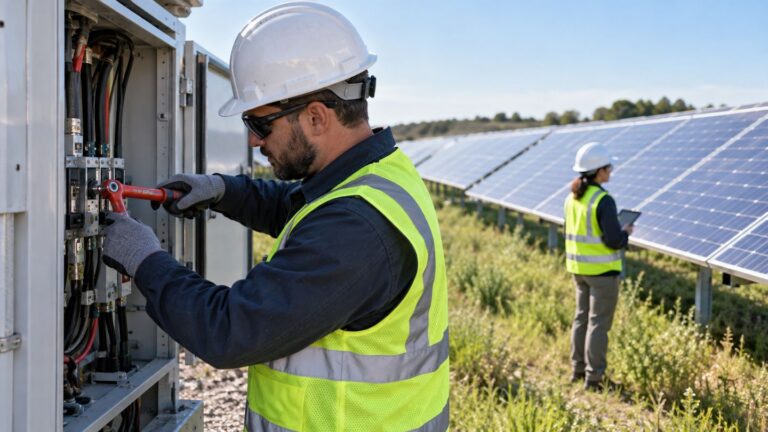
03Direct O&M providers through preventive and corrective work, site inspections and warranty claims.
 04
04Manage PPAs, leases, interconnection and service contracts so every obligation, notice and milestone is met.
 05
05Deliver financial, technical and compliance reporting, invoicing and reconciliations to investors, lenders and offtakers.
 06
06Improve performance, manage insurance and risk, and plan for end of warranty, repowering or decommissioning.
Key Insight
Construction builds the asset once — asset management protects its value every day for decades.
Start Learning
Start with Asset Management 101, then go deeper into contracts, reporting, warranties and risk at your own pace.
Free. Self-paced. Built around real industry work.