Renewable Energy Construction

From Approved Plans to Energized Projects.

Free construction training that shows how renewable energy projects are procured, scheduled, built and commissioned safely, on budget and to specification.
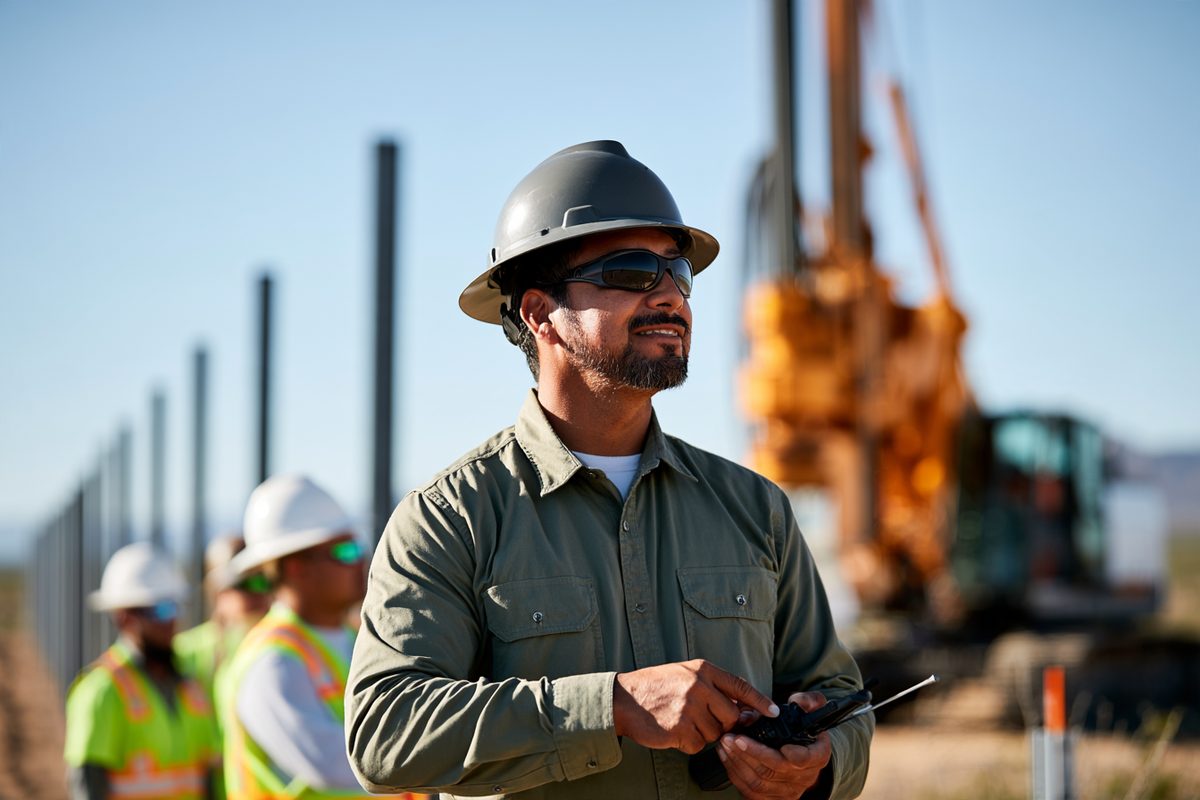
Construction superintendent directing a pile-driving crew on a utility-scale solar site

Construction Explained

Where Plans Become Operating Power Plants.

Construction is the phase that turns a financed, permitted project into a physical, operating asset. Construction professionals manage procurement, scheduling, contractors, quality, and safety, and lead the civil, mechanical, and electrical work that culminates in commissioning and energization.

The Energy Academy shows you how each of these pieces fits together, from the first equipment order to energization, so you can see how a project gets delivered and where you can contribute.
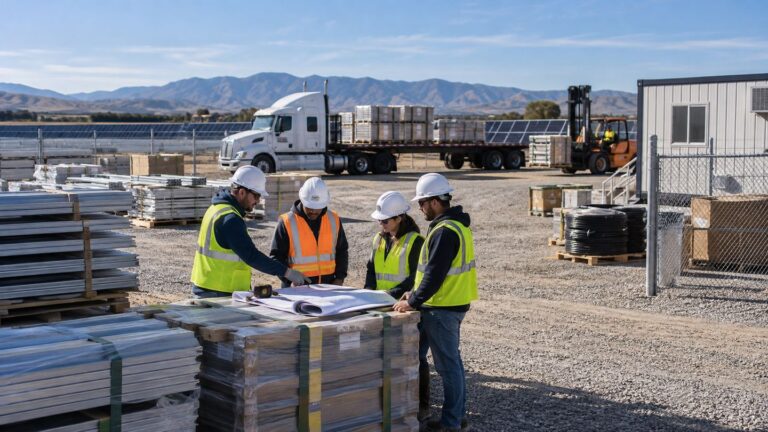
Construction crew checking pallets of solar modules delivered to site

Procurement & Equipment

Source and schedule modules, inverters, racking, and balance-of-system equipment.
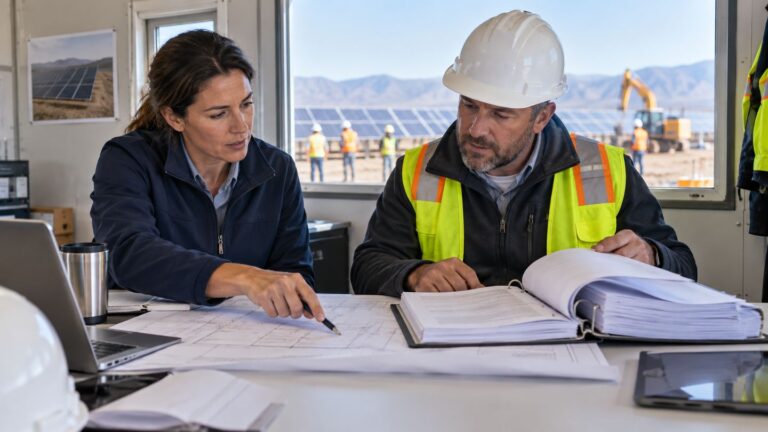
Construction team reviewing project plans and schedules at a table

Scheduling & Budgets

Build and manage construction schedules and budgets to control cost and time.
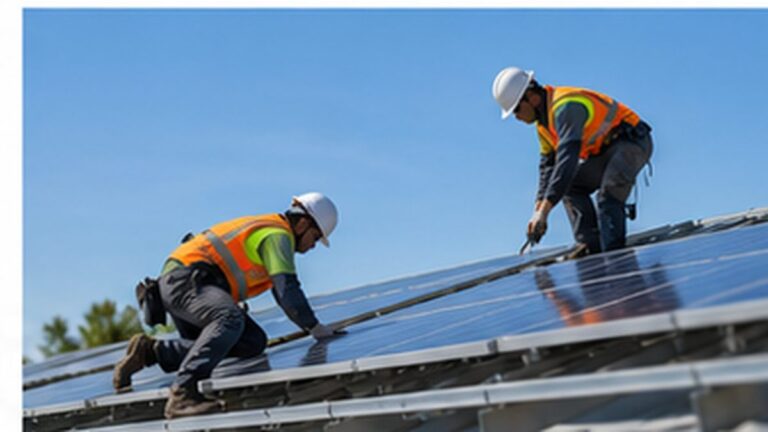
Installers mounting solar modules on a rooftop

Field Execution

Coordinate civil, mechanical, and electrical scopes safely and to specification. Take the What Would You Do? challenge.
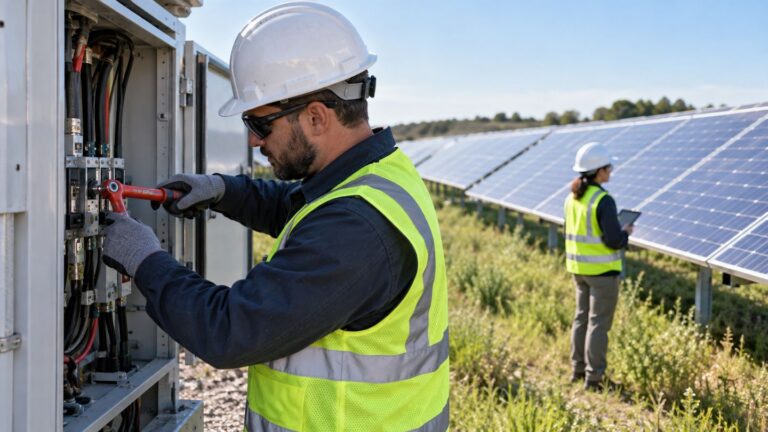
Technician testing electrical equipment at a solar site

Commissioning & Quality

Verify systems through quality control and commissioning before energization.

FreeHigh-quality learning for everyone.

Self-pacedLearn on your schedule, anytime, anywhere.

PracticalReal-world insights and examples.

Built by industry professionalsTrusted knowledge from people in the field.

Find Where You Fit

Career Paths in Construction

Construction rewards field experience, strong coordination skills and a safety-first mindset. Backgrounds in construction management, engineering and the trades all transfer.
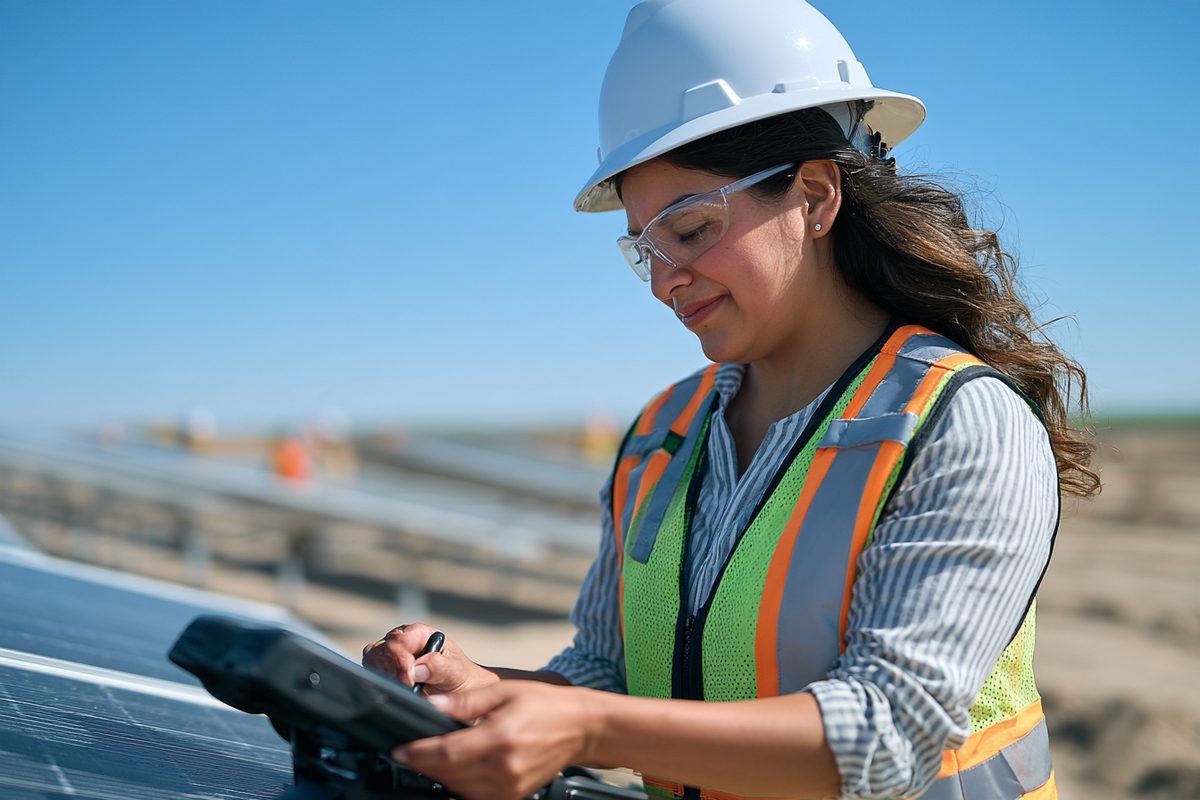
Field engineers surveying a solar construction site

Entry Level

Field / Project Engineer

Support scheduling, quality, and documentation in the field.
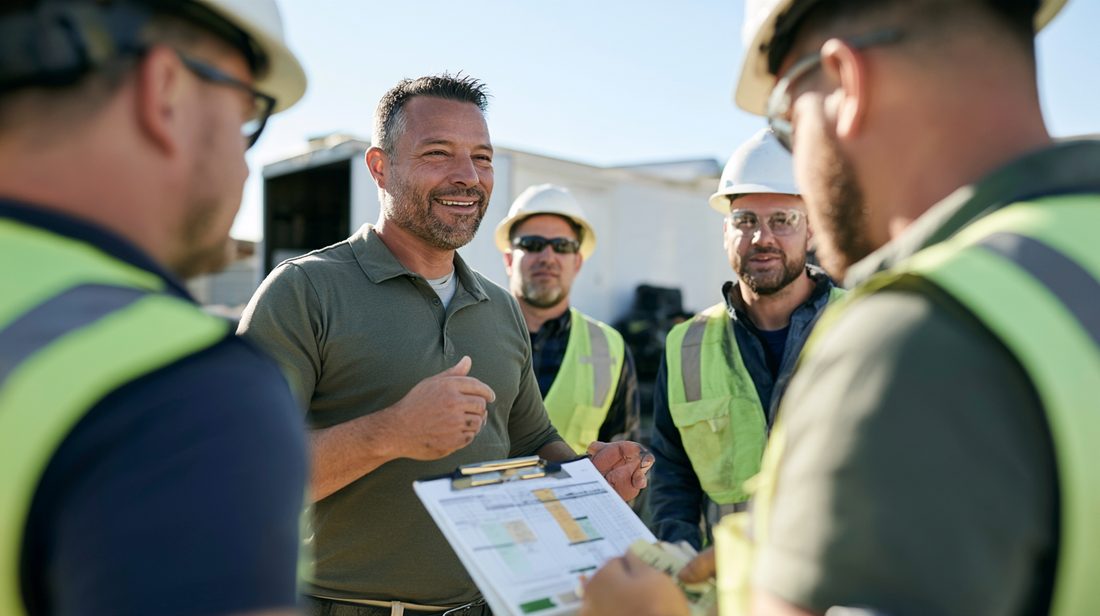
Construction manager leading a crew briefing on site

Mid Level

Construction Manager / Superintendent

Manage contractors, safety, quality, and schedule on site.
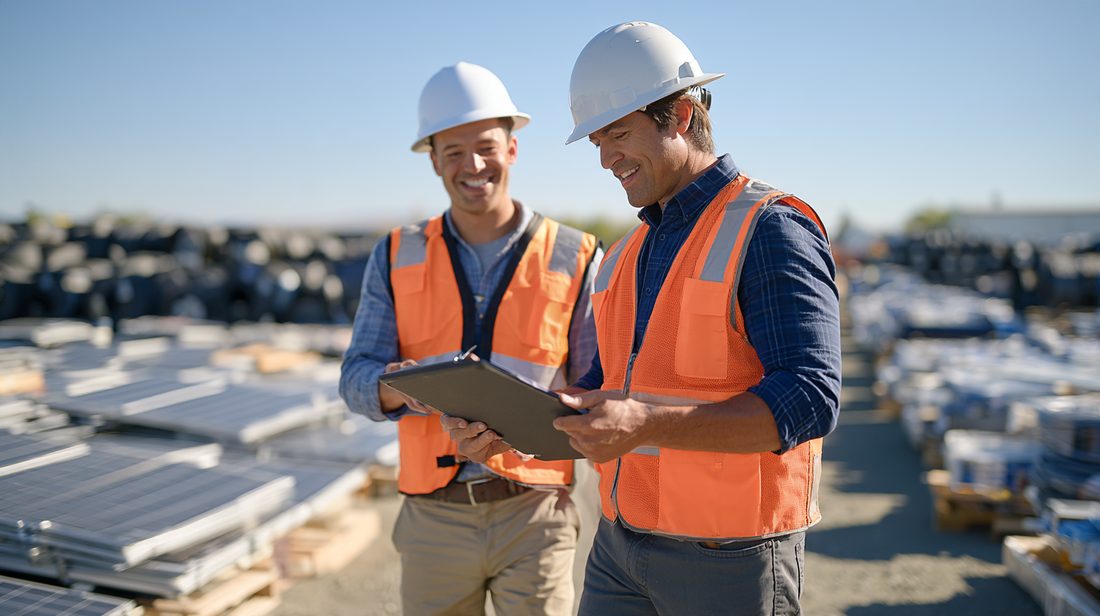
Senior construction manager reviewing drawings with the project team

Senior Level

Senior Construction Manager

Lead multiple projects, manage budgets, and set construction standards.
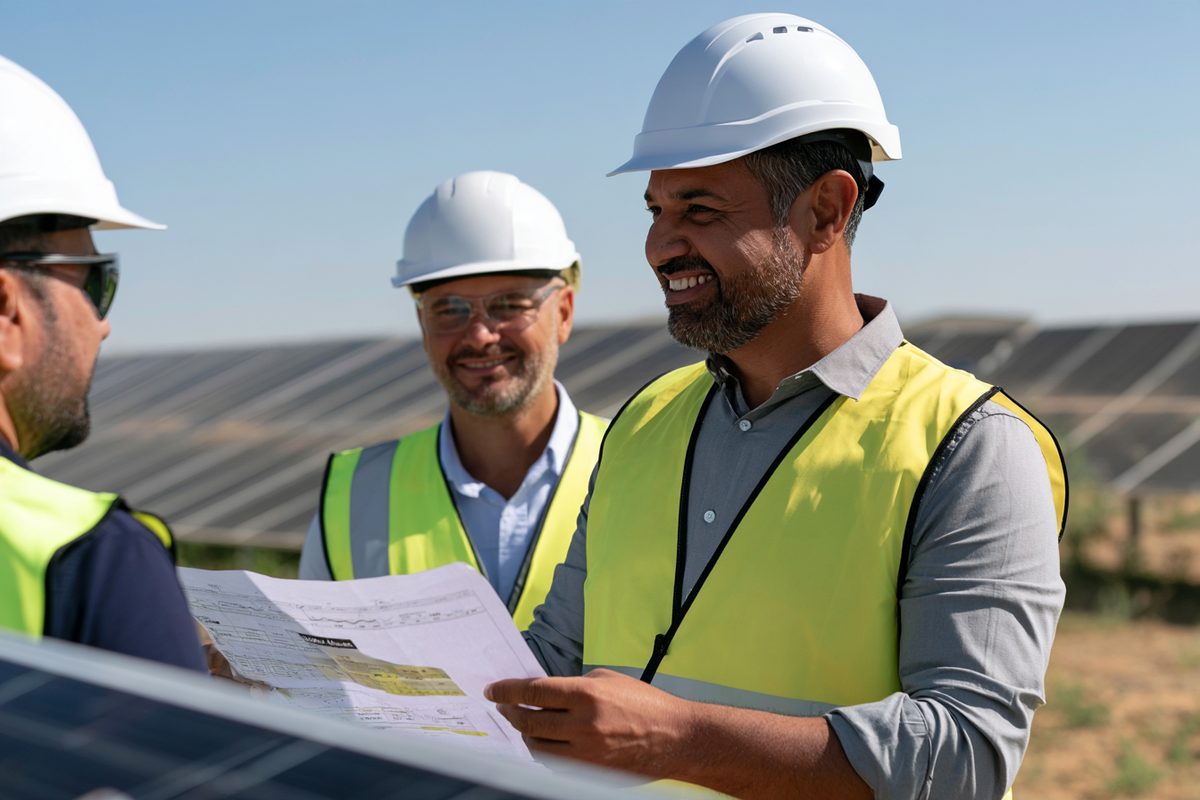
Construction leadership team meeting around a conference table

Executive

VP of Construction

Own construction strategy, safety culture, and execution across the portfolio.

Not sure where your experience fits?

Explore the Learners guide to connect your background with an industry path.

Find Your Starting Point →

From Notice to Proceed to Handover

The Construction Lifecycle

Construction starts when development and financing hand over a buildable project. Explore the six stages that take it from approved design to an energized, operating asset.

Engineers reviewing site plans before construction01

Prepare

Finalize issued-for-construction drawings, confirm permits and site surveys, and plan the build ahead of Notice to Proceed.

Crane lifting a transformer off a delivery truck02

Procure

Order modules, inverters, racking, transformers and balance-of-system equipment, and schedule deliveries around long lead times.

Excavator preparing ground at a new solar site03

Mobilize

Set up the site, bring contractors on board, and complete clearing, grading, access roads and erosion control.

Workers installing modules on a ground-mount solar array04

Build

Execute civil, mechanical and electrical scopes: foundations and piles, racking and modules, wiring, inverters and the collection system.
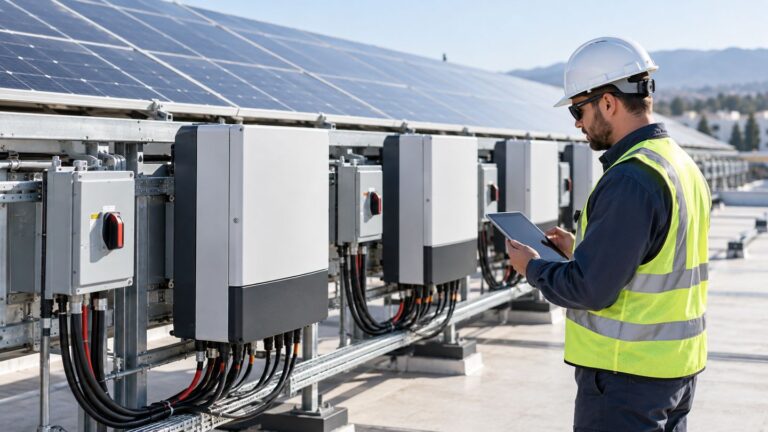
Technician checking inverters during commissioning05

Commission

Test and verify every system, energize equipment, run performance tests and work down the punch list.

Engineer walking a completed row of solar panels06

Hand Over

Reach substantial and final completion, deliver as-builts and warranties, and turn the asset over to operations.

Key Insight

Development and finance make a project possible — construction makes it real, safely, on schedule and to specification.

See the Full Project Lifecycle →

Put It Into Practice

Can You Beat the Deadline?

Take over a 2 MWdc rooftop project on October 15 and get it to substantial completion by December 31. Ten decisions, a $100,000 recovery reserve, and every gate from structural approval to owner acceptance.
Free, about 10 minutes, no account needed. Optional entry for a $100 Amazon gift card and custom-branded YETI Rambler closes October 31, 2026.

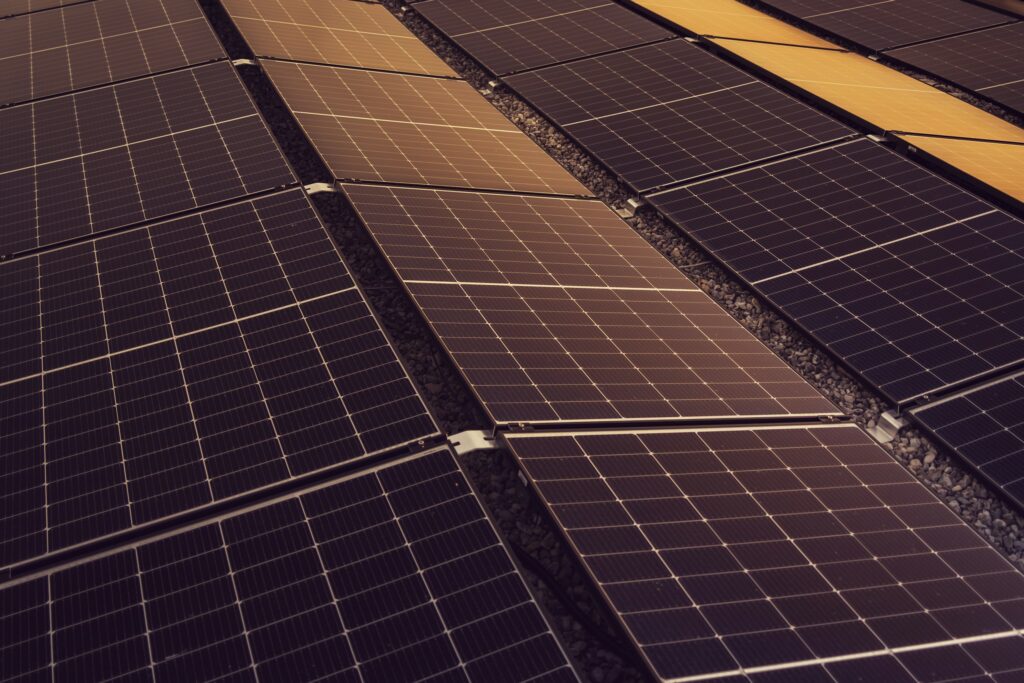
Rows of solar panels on a large commercial rooftop

Common Questions

Construction Questions, Answered

Understand what construction teams do, how renewable energy projects get built and what it takes to build a career in the discipline.


Still have a question?
Contact the Academy →

What is construction in renewable energy?

Construction is the phase that turns a financed, permitted project into a physical, operating asset. Teams manage procurement, scheduling, contractors, quality, and safety, executing the civil, mechanical, and electrical work through commissioning and energization.

What does a construction manager do?

A construction manager oversees the on-site build: coordinating contractors, managing the schedule and budget, enforcing safety and quality, and ensuring the project is built to design and code through to commissioning.

What are the main phases of solar construction?

Typically: site mobilization and civil work (grading, roads, foundations), mechanical installation (racking and modules), electrical work (wiring, inverters, collection system), interconnection tie-in, then commissioning and energization.

How long does it take to build a solar project?

It varies with size and complexity. Utility-scale projects often take several months to over a year, while smaller distributed projects can be built in weeks to a few months. Weather, equipment delivery, and interconnection scheduling all affect the timeline.

What is commissioning?

Commissioning is the final testing and verification phase before a project goes live — confirming that equipment is installed correctly, systems perform as designed, and the asset is ready for safe, reliable operation.

Why is safety so central to construction?

Construction involves heavy equipment, electrical hazards, and demanding field conditions, so a strong safety culture protects workers and the project. Safety planning, training, and oversight are core responsibilities of every construction team.

What background do I need for construction roles?

Roles range from field and project engineers to superintendents and construction managers. Backgrounds in construction management, engineering, or the trades all apply, and field experience combined with strong coordination skills is highly valued.

What is the role of procurement in construction?

Procurement secures modules, inverters, racking, transformers, and balance-of-system equipment on schedule and budget. Because equipment lead times can be long, procurement timing is one of the biggest risks to a construction schedule.

What career opportunities exist in construction?

Paths range from Field Engineer and Superintendent to Construction Manager, Senior Construction Manager, and VP of Construction. Professionals may specialize in safety, quality, procurement, or commissioning, and experienced builders are in strong demand as deployment grows.

Start Learning

Build Your Construction Foundation

Start with Solar Construction 101, then go deeper into planning, contracts, scheduling, quality and handoff at your own pace.

Free. Self-paced. Built around real industry work.
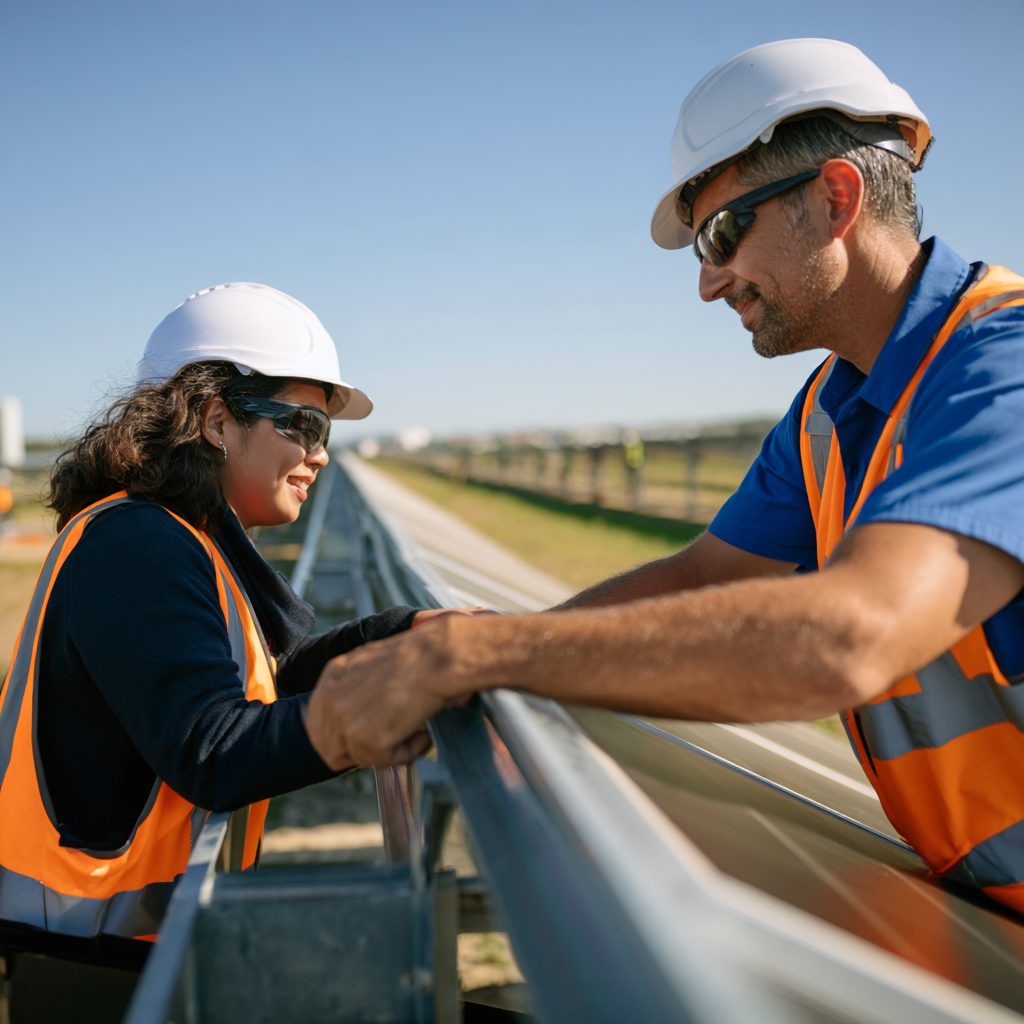
Quality inspector and foreman checking tracker hardware alignment on a new solar row